
Introduction
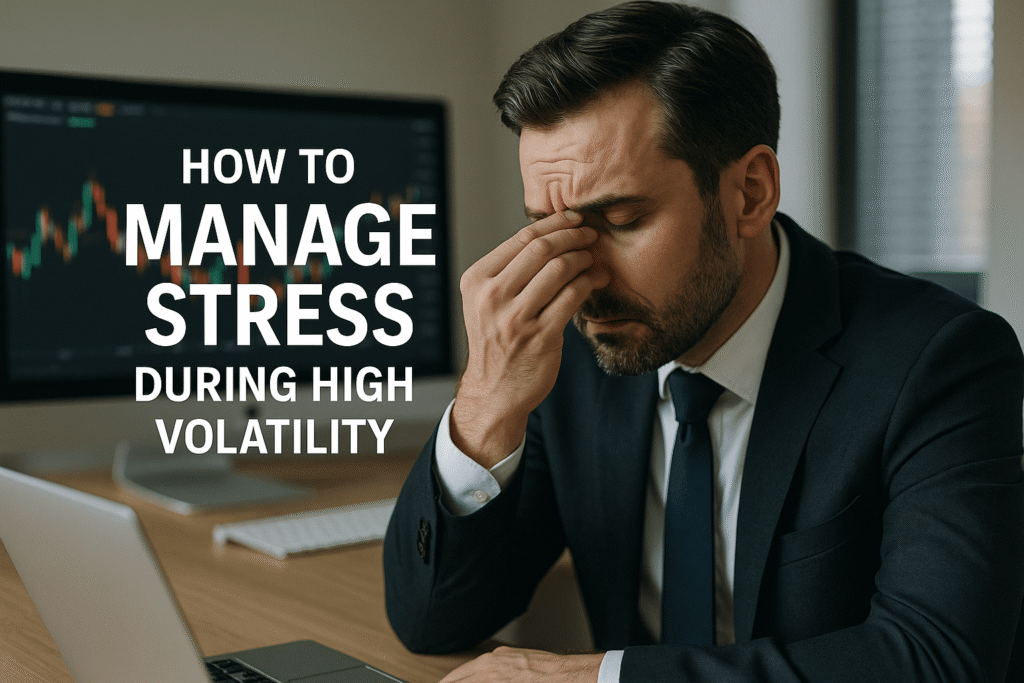
High volatility can turn even experienced traders uneasy. Rapid price swings, unexpected news, and emotional pressure often lead to impulsive choices. Without stress management in forex, these reactions can damage focus, discipline, and results.
Every trader faces moments of uncertainty. What separates calm traders from anxious ones is their ability to manage emotional and physical responses. A strong mental routine helps traders maintain mental balance and effective trading anxiety control.
This guide offers practical strategies to manage stress during volatile markets. It blends psychology, physical wellness, and routine discipline the foundation of long-term trading success.
Why Stress Increases During High Volatility
Volatility brings opportunity but also risk. Large price movements activate emotional triggers like fear and greed. The mind reacts as if facing danger, even though the threat is financial, not physical.
Common Stress Triggers for Traders:
- Sudden drawdowns or unexpected losses.
- Watching positions swing rapidly in and out of profit.
- Fear of missing out on fast moves.
- Pressure to recover losses quickly.
- Overexposure due to large position sizes.
These conditions lead to anxiety and mental fatigue. When unchecked, they cause traders to deviate from their plans leading to mistakes.
Understanding the Psychology of Trading Stress
The human brain is not built for uncertainty. During volatility, cortisol levels rise, increasing tension and clouding judgment. This affects reaction time, decision quality, and even sleep.
Psychological Effects Include:
- Impulsive trade entries or exits.
- Difficulty staying patient with setups.
- Overanalyzing losses.
- Doubting your system even when it works.
Recognizing these signs early allows you to pause before emotions take control. Self-awareness is the first tool in effective stress management in forex.
1. Build a Calm Morning Routine
How you start your day influences how you trade. A calm, structured morning routine prepares your mind for uncertainty.
Practical Routine Ideas:
- Begin with deep breathing for five minutes.
- Review your trading plan and risk parameters.
- Avoid checking charts before breakfast.
- Do light stretching or meditation.
2. Set Clear Daily Trading Limits
Boundaries create control. Define limits before trading to reduce mental strain.
Set These Limits Daily:
- Maximum risk per trade never risk beyond your comfort level.
- Total loss limit per day stop trading after reaching it.
- Maximum number of trades prevent overtrading.
3. Manage Information Flow
Too much information increases anxiety. Constantly checking charts, social media, or news can create confusion.
Information Control Tips:
- Follow only trusted news sources.
- Avoid chat rooms during live trades.
- Use alerts instead of constant monitoring.
- Set scheduled times for analysis.
4. Use Breathing Techniques for Anxiety Control
During rapid market movement, breathing becomes shallow. This increases stress. Conscious breathing resets your body’s response system.
Effective Technique:
Try the 4-7-8 breathing method:
- Inhale for 4 seconds.
- Hold for 7 seconds.
- Exhale slowly for 8 seconds.
- Repeat four times.
5. Keep a Stress Log Alongside Your Trading Journal
Recording emotions helps identify patterns. A forex trading journal usually tracks trades, but adding emotional notes increases its value.
What to Record:
- How you felt before entering a trade.
- Emotional state after exit.
- Market conditions that triggered stress.
- Actions that improved calmness.
6. Focus on Process, Not Profits
Anxiety grows when traders fixate on outcomes. Focusing on process brings structure and calm.
Process-Based Thinking:
- Follow your setup checklist before each trade.
- Measure progress by discipline, not money.
- Review performance weekly, not daily.
7. Take Short Breaks During Trading Sessions
Continuous screen time increases fatigue. Step away during long sessions to reset your focus.
Healthy Break Habits:
- Take a 5–10-minute walk every hour.
- Stretch or practice quick breathing exercises.
- Avoid social media or unrelated browsing.
8. Balance Trading with Lifestyle Habits
A balanced life supports a stable mind. Nutrition, exercise, and sleep directly influence stress control.
Simple Lifestyle Adjustments:
- Sleep 7–8 hours for mental clarity.
- Eat light meals to avoid energy crashes.
- Exercise regularly to release tension.
- Stay hydrated throughout the day.
9. Build a Support System
Trading can feel isolating. Sharing experiences with other traders helps maintain perspective.
Support Options:
- Join focused trading communities.
- Talk to mentors or coaches after stressful sessions.
- Discuss emotions without judgment.
10. Develop Habits That Build Emotional Discipline
Consistency builds confidence. The calmer your routine, the easier it becomes to manage emotions.
Daily Habits That Support Control:
- Start and end trading at fixed times.
- Review trades with objectivity.
- Avoid emotional trading decisions.
- Reward discipline, not just profits
This structure aligns perfectly with forex trading consistency, discussed in the How to Build Consistency in Forex Trading pillar guide. A stable mindset is built through habit building and routine trading, the same foundation required for managing stress effectively.
11. Use Visualization Techniques
Visualization helps the mind prepare for stress. By mentally rehearsing volatile conditions, you strengthen emotional control.
Try This Exercise:
- Close your eyes and imagine a high-volatility scenario.
- Visualize staying calm and following your plan.
- Repeat this before each session.
12. Keep Perspective on Market Volatility
Volatility is temporary. Viewing it as opportunity, not threat, reduces fear. Markets always cycle between calm and chaos.
Reminders for Perspective:
- Volatility creates both risk and reward.
- Your job is to manage exposure, not predict moves.
- No single trade defines your career.
13. Use Music or Ambient Sound to Stay Focused
Soft instrumental or ambient background sounds help maintain calm focus. Avoid lyrics or distracting beats.
Popular Options:
- Lo-fi beats for steady rhythm.
- Nature sounds for relaxation.
- Classical music for focus.
14. Limit Overexposure During Extreme Events
High-impact events, like central bank announcements, often trigger large swings. Reduce risk by adjusting exposure.
Before Major Events:
- Cut position sizes.
- Use wider stop-loss levels.
- Trade only after initial volatility settles.
15. Learn to Accept Losses Gracefully
Losses are part of trading. Emotional recovery is a skill. Accepting losses quickly prevents frustration from clouding judgment.
Steps to Acceptance:
- Review the trade objectively.
- Identify if rules were followed.
- Record lessons learned.
- Move on to the next setup.
How Behavioral Awareness Improves Trading
Successful traders think like behavioral coaches. They recognize emotional patterns early and intervene before damage occurs.
Behavioral Awareness Benefits:
- Prevents revenge trading.
- Encourages patience during drawdowns.
- Builds confidence through understanding.
- Promotes a stable mindset long term.
Integrating Mind and Body for Stress Control
Physical relaxation supports mental clarity. Combining both ensures deeper stress reduction.
Mind-Body Integration Tips:
- Practice mindfulness after sessions.
- Do light yoga or stretching daily.
- Use slow breathing between trades.
- Keep posture upright to maintain alertness.
Conclusion
Volatility will always exist. What changes is how you respond to it. A trader’s calm mind is the strongest advantage during chaotic markets.
By applying structured routines, practicing emotional awareness, and using relaxation methods, you can maintain mental balance and consistent performance.
A stable mindset supports disciplined trading and that’s where consistency begins. To build that foundation further, explore the How to Build Consistency in Forex Trading guide. It explains how habit building and routine trading reinforce discipline, reducing emotional stress and improving focus.