
In the fast-moving world of currency trading, success is not just about making profits—it’s about protecting what you already have. Forex risk management is the backbone of every profitable trader’s strategy. Without it, even the best trades can lead to significant losses.
This guide explains practical, real-world techniques, backed by experience and industry standards, to help you trade with confidence and discipline.
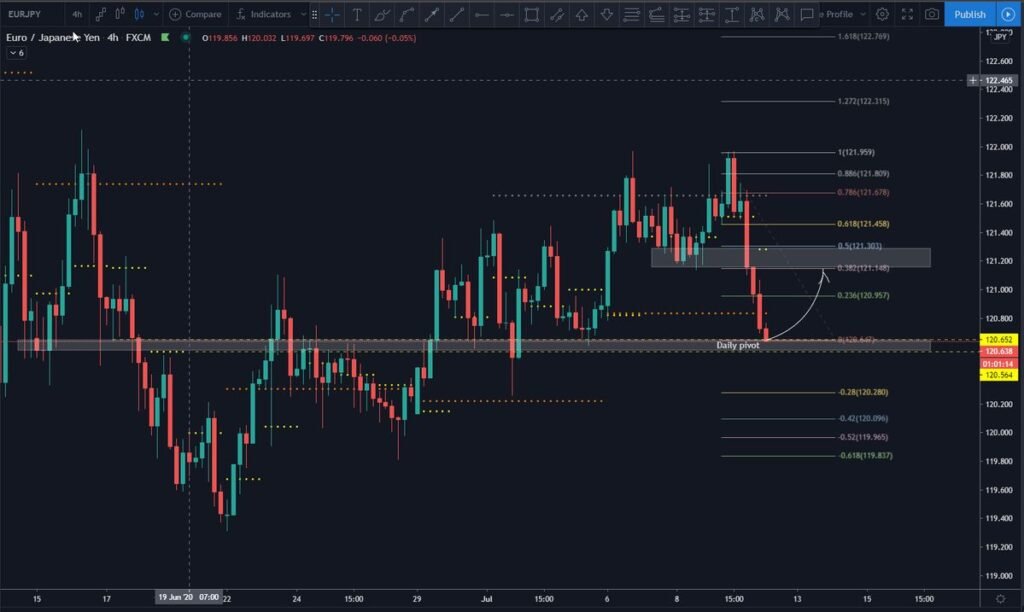
Fig 1.1 Forex risk management dashboard showing trading charts and analysis
What is Forex Risk Management?
Forex risk management refers to the methods traders use to limit losses and protect their trading capital. It involves planning every trade, controlling exposure, and maintaining emotional discipline.
A trader without risk management is not trading—they are gambling.
Why Forex Risk Management Matters
- Preserves capital
Protects your trading account from large drawdowns that are hard to recover from - Improves consistency
Helps you maintain stable results over time instead of relying on luck - Reduces emotional stress
Keeps fear and greed under control during volatile market conditions - Supports long-term growth
Allows compounding profits without risking total account loss
Top Forex Risk Management Strategies
1. Use the 1–2% Rule
Never risk more than 1–2% of your total account on a single trade.
| Account Size | Risk % | Risk Amount |
|---|---|---|
| $1,000 | 2% | $20 |
| $5,000 | 1% | $50 |
| $10,000 | 2% | $200 |
This strategy ensures that even a series of losses won’t wipe out your account.
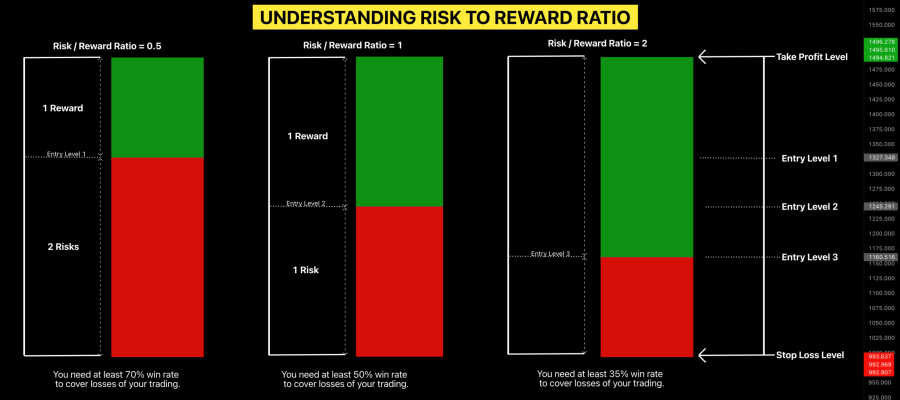
Fig 1.2 Forex risk reward ratio example showing potential profit vs loss
2. Always Use Stop-Loss Orders
A stop-loss automatically closes your trade at a predefined loss level.
- Prevents emotional decision-making
- Protects against sudden market swings
- Keeps your losses predictable
3. Calculate Proper Position Size
Position sizing determines how much you trade based on risk tolerance.
Formula:
Position Size = Risk Amount ÷ Stop Loss (pips)
This keeps your trades aligned with your overall risk plan.
4. Maintain a Risk-Reward Ratio
A healthy risk-reward ratio ensures profitability even with fewer winning trades.
| Risk | Reward | Ratio |
|---|---|---|
| $50 | $100 | 1:2 |
| $100 | $300 | 1:3 |
Aim for at least a 1:2 ratio in most trades.
5. Diversify Your Trades
Avoid placing all trades on one currency pair.
- Reduces exposure to a single market
- Balances risk across multiple positions
- Improves overall portfolio stability
6. Avoid Over-Leveraging
Leverage can amplify profits—but also losses.
- High leverage increases risk significantly
- Beginners should use low leverage (1:10 or 1:20)
- Always align leverage with your strategy
Best Forex Risk Management Tools
Using the right tools can significantly improve your trading performance. These forex risk management tools help automate and simplify decisions.
Essential Tools for Traders
| Tool | Purpose | Benefit |
|---|---|---|
| Stop-Loss Orders | Limit losses | Protects capital automatically |
| Position Size Calculator | Risk control | Ensures accurate trade sizing |
| Risk Management Apps | Track performance | Improves discipline |
| Trading Journals | Analyze trades | Helps refine strategy |
| Economic Calendar | Track events | Avoids high-risk volatility |
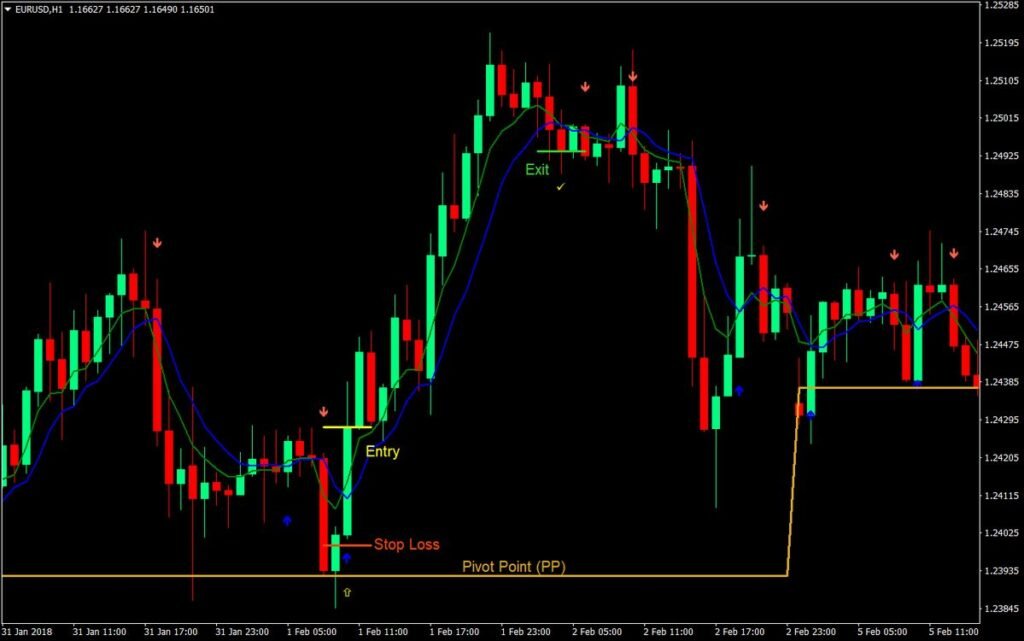
Fig 1.3 Forex risk management tools including position size calculator and stop loss settings
Can I trade forex without risk management?
Why is forex risk management important?
What tools help in forex risk management?
What is a good risk-reward ratio?
Final Thoughts
Forex risk management is not optional—it is essential. It separates professional traders from beginners. By applying proven forex risk management strategies and using reliable forex risk management tools, you can protect your capital, reduce losses, and build a sustainable trading career.
Focus on discipline, consistency, and smart planning. Profits will follow.
sectetur adipiscing elit. Ut elit tellus, luctus nec ullamcorper mattis, pulvinar dapibus leo.